Preventive Dental Care: What Athletes & Coaches Need to Know
Maintaining oral health is crucial for every athlete. Ignoring dental problems can lead to severe pain, costly treatments, and negatively impact an athlete’s ability to eat, sleep, and perform in their sport. Coaches, athletes, and parents must treat oral care as an integral part of an athlete’s overall health and training.
Key Preventive Measures for Athletes and Coaches
- Regular Dental Check-ups
- Conduct dental examinations 2 to 3 months prior to any major event or competition.
- Initial dental screening should also be done when an athlete first enters the sport.
- Timely Dental Treatment
- Ensure prompt dental treatment if any condition shows signs of worsening.
- Delaying treatment may cause unexpected pain or swelling during training or competition, affecting performance.
- Diet Monitoring
- Collaborate with the dentist and sports nutritionist to monitor the athlete’s diet.
- Reduce the intake of sugars and acidic foods that contribute to decay.
- Use of Mouthguards
- Educate athletes about different types of mouthguards based on their sport.
- Start using mouthguards during practice sessions so athletes are fully comfortable by the time of competition.
- Emergency Dental Management
- Ensure on-field sports staff and emergency personnel are trained in managing dental injuries.
- Keep an emergency dental kit on hand, including a container with milk or saline solution to preserve an avulsed (knocked-out) tooth.
- Anti-Doping & Medications
- If an athlete is on medication for any oral condition, confirm with the anti-doping officer and the dentist that it is not prohibited by WADA (World Anti-Doping Agency).
- Apply for a TUE (Therapeutic Use Exemption) in advance if needed.
Daily Oral Hygiene Tips for Athletes
Athletes are more prone to dental issues due to:
- Dehydration and reduced saliva flow.
- Frequent intake of carbohydrates and sports supplements.
- Immune modulation caused by stress and intense physical training.
To protect against decay and gum disease, athletes should adopt the following habits:
a. Personalised Oral Care Training
- Receive oral hygiene instructions from a dental professional (dentist, hygienist, or oral health educator).
- Athletes must take personal responsibility for their daily oral care.
b. Proper Cleaning Routine
- Perform interdental cleaning (using floss or interdental brushes) before brushing.
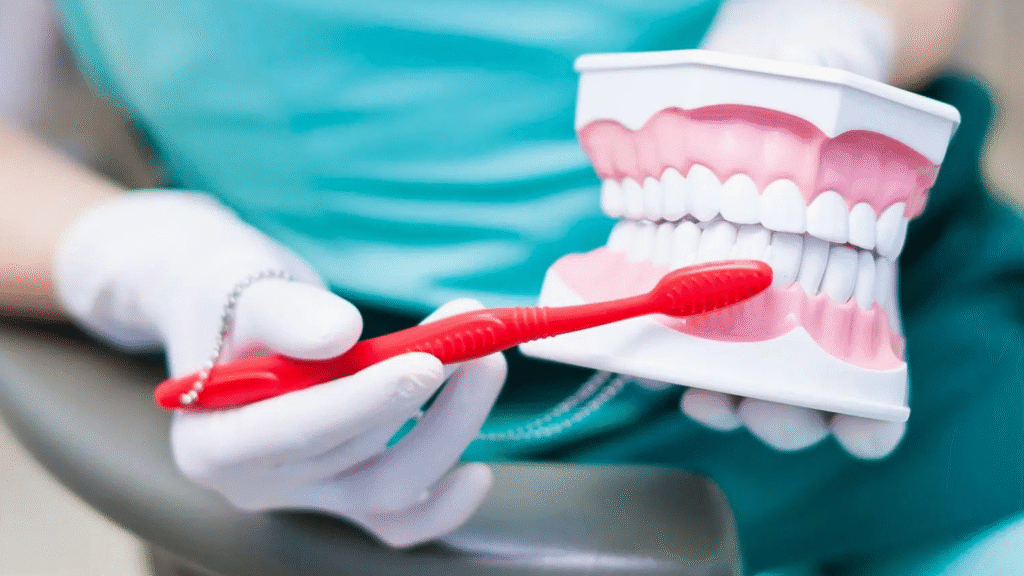
- Use a manual or powered toothbrush with fluoride toothpaste.
c. Self-Monitoring
- Use plaque disclosing solutions to monitor the effectiveness of brushing.
d. Oral Care On-the-Go
- Carry a personal oral care kit at all times for use during travel and training.
e. Nutrition Awareness
- Avoid sugary beverages and supplements outside of prescribed training nutrition plans.
- Work with a nutritionist to find tooth-friendly alternatives.
Conclusion
Oral health should never be overlooked in an athlete’s journey. Athletes, coaches, and parents must stay alert to early signs of dental issues and seek professional care promptly. Good oral health supports peak athletic performance and overall well-being.